无人驾驶汽车的法律伦理问题研究

第1页 / 共15页

第2页 / 共15页

第3页 / 共15页

第4页 / 共15页

第5页 / 共15页

第6页 / 共15页

第7页 / 共15页
试读已结束,还剩8页,您可下载完整版后进行离线阅读
无人驾驶汽车的法律伦理问题研究-知知文库网
无人驾驶汽车的法律伦理问题研究
此内容为付费资源,请付费后查看
1020
立即购买
您当前未登录!建议登陆后购买,可保存购买订单
付费资源
© 版权声明
THE END
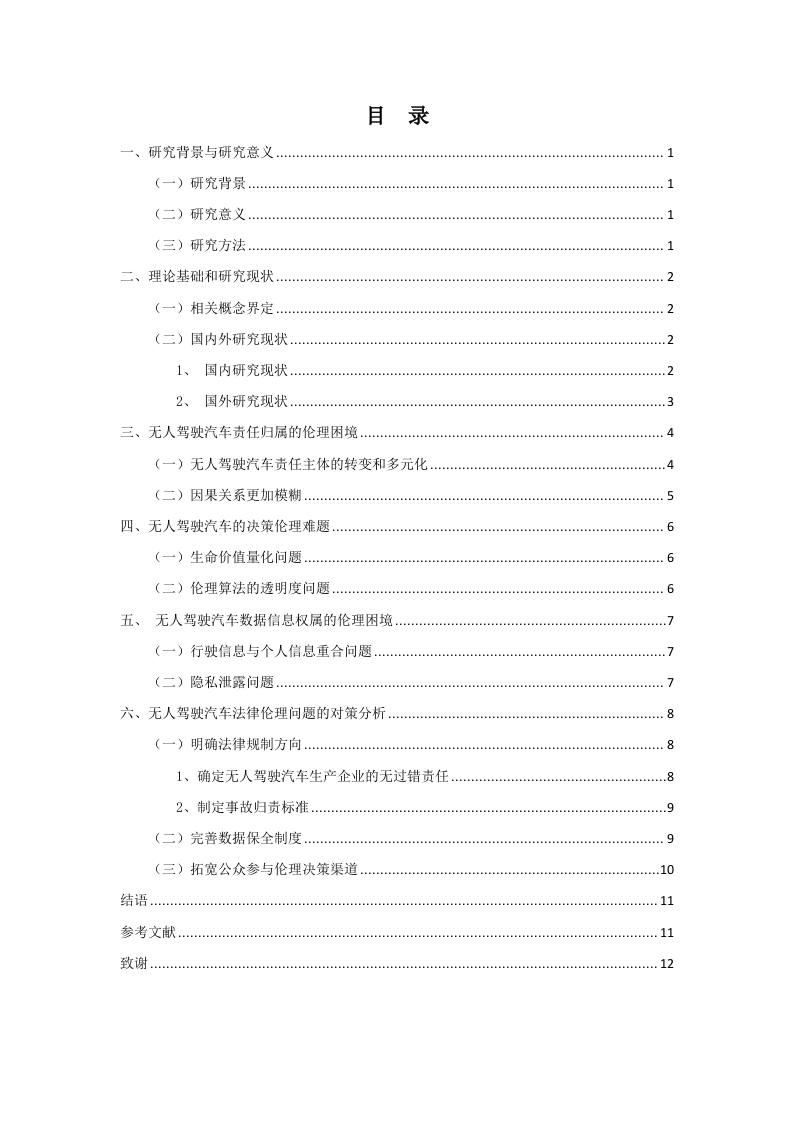
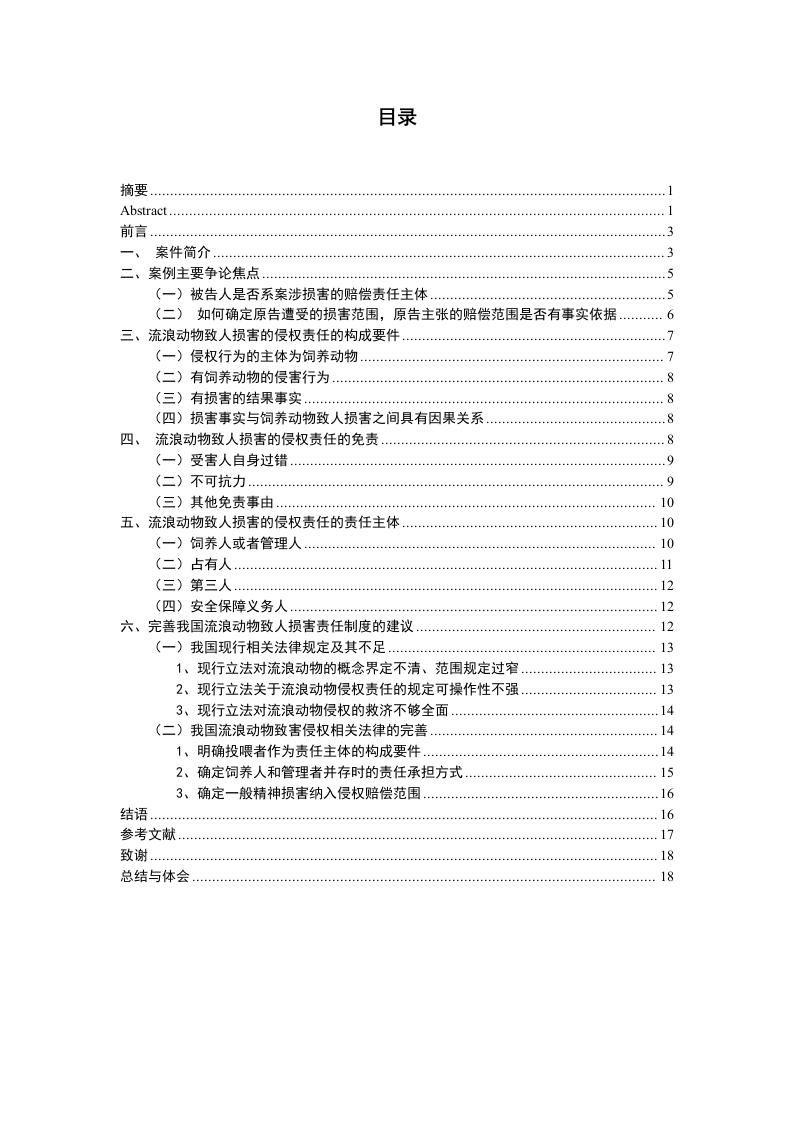
目录一、研究背景与研究意义.1(一)研究背景..1(二)研究意义…。(三)研究方法…。..1二、理论基础和研究现状…(一)相关概念界定(二)国内外研究现状.21、国内研究现状.2、国外研究现状….3三、无人驾驶汽车责任归属的伦理困境…。4(一)无人驾驶汽车责任主体的转变和多元化.4(二)因果关系更加模糊四、无人驾驶汽车的决策伦理难题…6(一)生命价值量化问题….6(二)伦理算法的透明度问题。五、无人驾驶汽车数据信息权属的伦理困境.7(一)行驶信息与个人信息重合问题.…7(二)隐私泄露问题…六、无人驾驶汽车法律伦理问题的对策分析.8(一)明确法律规制方向….81、确定无人驾驶汽车生产企业的无过错责任..82、制定事故归责标准.9(二)完善数据保全制度…9(三)拓宽公众参与伦理决策渠道..10结语.11参考文献…。11致谢….12无人驾驶汽车的法律伦理问题研究作者:戚思雨指导教师:林必恒副教授(海南师范大学法学院,海口,571127)摘要:在大数据时代,人工智能的飞速发展逐步改变人类的生活。无人驾驶是人工智能的重要组成,利用科技模拟环境感知、路径规划和决策控制等方面,以提高交通效率,减少交通事故发生风险。虽然无人驾驶技术未成熟,还在初步试点。但从试点情况看无人驾驶技术给社会伦理和秩序带来巨大挑战。在伦理层面,主流问题是假设发生交通事故时“碰撞算法”的价值选择如何平衡生命权益,需要符合社会伦理标准。在法律层面,事故责任如何界定、个人信息安全和数据归属权等问题尚未得到明确解决。本文研究内容将从这三方面利用案例分析法、比较分析法等研究方法分析讨论构建前瞻性的制度设计对平衡社会公众利益和技术创新以及促进无人驾驶技术的健康发展的重要性。同时也会探究其他国家对于无人驾驶技术相关的法律制度,经过分析,寻找可以借鉴的先进经验,从而为自动驾驶技术的可持续发展提出合理建议。关键词:无人驾驶汽车决策伦理事故责任数据信息Research on legal and ethical issues of driverless carsAuthor:Siyu Qi Professor Biheng Lin(School of Marxism,Hainan normal university,Haikou,571127)Abstract:In the era of big data,the rapid development of artificial intelligencegradually changes human life.Driverless is an important component of AI,which usestechnology to simulate environment perception,path planning and decision control inorder to improve transportation efficiency and reduce the risk of traffic accidents.Although the driverless technology is not mature and is still in the initial pilot.However,from the pilots it is clear that driverless technology poses a huge challengeto social ethics and order.At the ethical level,the mainstream issue is how to balancethe rights and interests of life with the value choice of the "collision algorithm"in theevent of a traffic accident,which needs to comply with social and ethical standards.On the legal level,the issues of how to define the responsibility for accidents,personal information security and data ownership have not yet been clearly resolved.In this paper,we will analyze and discuss the importance of constructing aforward-looking institutional design to balance the interests of the public andtechnological innovation,as well as to promote the healthy development of driverlesstechnology,using case studies,comparative analyses and other research methods inthese three aspects.It will also explore other countries'legal systems related todriverless technology,and after analyzing them,look for advanced experiences thatcan be learned from,so as to put forward reasonable suggestions for the sustainabledevelopment of autonomous driving technology.Keywords:Driverless car,Dcision-making ethics,Accident liability,Datainformation一、研究背景与研究意义(一)研究背景自1956年,人工智能这个概念首次在一场位于英国达特茅斯学院的会议上被提出,距今已近70年的发展历程。2011年至今,随着云计算、物联网等信息技术和传感器的结合发展,人工神经网络系统为代表的人工智能技术迎来爆发式突破。无人驾驶汽车(Autonomous Vehicles)正逐步从实验室走向现实道路,成为交通领域最具颠覆性的技术之一。无人驾驶汽车作为人工智能的具体应用,为人类出行方式乃至社会的组织模式带来改变,同时也会冲击社会伦理和秩序,例如无人驾驶汽车事故责任分配、用户信息保护等等。无人驾驶作为一种新兴的技术,其引发的社会问题体现了群体在伦理、道德等方面的冲突。自动驾驶技术是人工智能的重要应用之一,逐步进入我们的生活,未来一定会成为交通出行的重要方式,建立完普的规制体系是必要的。无人驾驶技术并未成熟,还在不断进步完善,只有从根本问题出发,才足以应对多变的技术乃至社会主体互动模式,规避法律滞后性的影响。所以,如若建立合理的法
喜欢就支持一下吧
点赞0 分享
评论 抢沙发
头像
欢迎您留下宝贵的见解!
提交
头像

昵称

取消
昵称表情代码图片

    暂无评论内容